So, you’ve probably heard of people banging on about this thing “slow travel”, and you might be wondering, hmm, but what does that actually mean though? Like, it’s all well and good saying, “why yes, I love a bit of slow travel,” but in practical terms, what does it entail and how can you get a piece of the action… so to speak.
Well, my friends, I’m here to show you how to discover the beauty of slow travel and also decide whether or not it’s for you. Because, as much as it’s great, let’s be honest, it doesn’t suit everybody’s personality, situation or travel style.
I’ll break down some tips for slow travel as well as letting you know about some of the best Slow travel destinations, so if you decide to give it a go, you know where to hit up first.
Let’s get into it so you can get those bags packed for a deeper travel experience at a more relaxed pace.
Before I get into the rest of the post, let’s have a look at the “slow travel definition” first. I think a lot of people are often a little unsure of what it means, compared to, say, long-term travelling or backpacking, let alone what it entails.
Slow travel isn’t just about time; it’s about taking your time.
So, whilst you might go backpacking for a year, that’s not necessarily slow travelling if you’re like a pinball bouncing from place to place every few days. On the contrary, you could go away for two weeks and spend that whole time in one town or city, where most other people only come for a few days or a weekend. Even if you’re not a backpacker, slow holidays are a thing, too!
Slow tourism definitions vary by person, but let’s break down what it means to us.
Making a Connection
Slow travel is all about making a connection to the people, culture, food, traditions and landscape where you visit. Rather than scratching the surface with a quick visit, just seeing the “tourist attractions”, slow travel allows you to take a deeper approach by getting involved and embracing the local culture and everyday life of the area.
In many ways, it’s a mindset and does require a conscious effort to foster connections in a way that doesn’t impose yourself on the local community. This can be done in small actions like learning some of the language, attending festivals, shopping in local markets and visiting small cafes, for example.
As the name suggests, to travel slowly, you need to not be in a rush! Slow travel is all about taking your time to soak in all aspects of a place, rather than flying around, ticking off places and then moving on.
Sit in a cafe and watch the world go by, people watch in a park, wander aimlessly through the cobbled streets… it doesn’t need to be all go, and you certainly don’t need to see and do everything in one day! One of the biggest lessons I’ve learned whilst travelling is not to feel like you need to rush everything, because it’s just not fun!
This style of travel also helps you really live in the moment, rather than having detailed plans and itineraries, you can just go with the flow, and if you get talking to someone for hours, well, you’ve got nowhere else to be!
Being Thoughtful and Sustainable
The other important side to slow travel is its environmental impact vs fast travel. Rather than taking a plane every few days or shopping at a huge commercial enterprise, you can jump on public transport and support a small shop selling locally sourced goods.
Here are a few tips –
Take the train or long-distance bus rather than flying.
Support smaller shops and communities that sell local goods.
Buy produce from local markets that sell seasonal items sourced from the local area.
Eat food at smaller cafes, restaurants and street food stalls run by locals.
Walk, cycle or take local public transport
Take eco-tours that are run by local guides and don’t exploit the communities and landscapes they operate in.
Anywhere in the world is perfect for slow travel if you fancy it, but there are a few destinations out there that really do lend themselves more to this form of travelling. Those that are set up well for long-term visitors, and with locals who are more than willing to take you under their wing. Though you can slow travel around the world, these are some of our favouriteplaces.
Thailand – Best For Variety
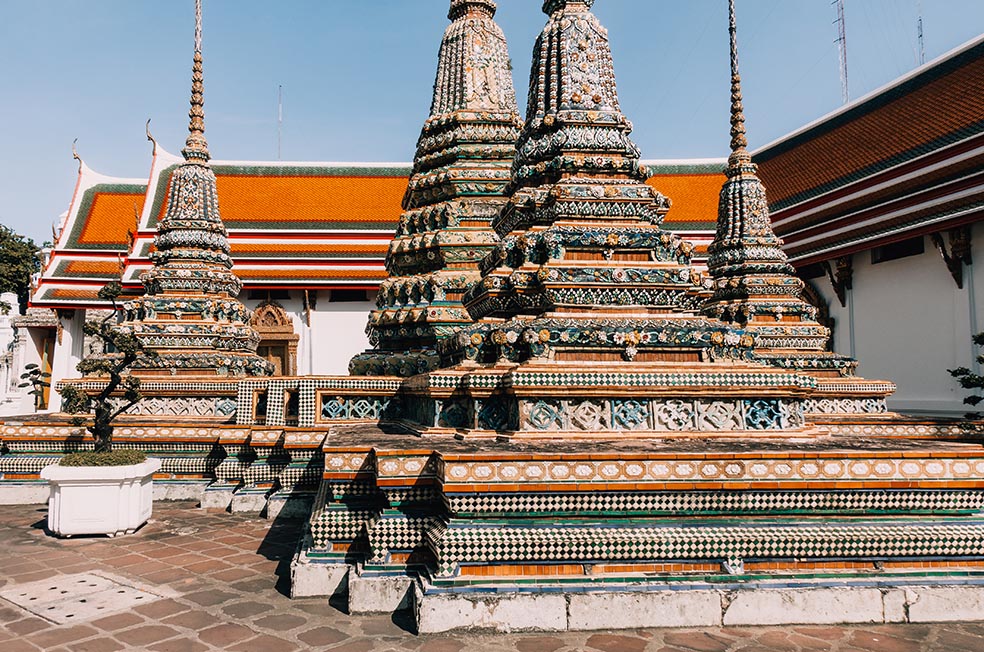
Thailand is a classic location for slow travel, and that’s because it’s super cheap, easy to find longer stays and just a great place to spend an extended period of time. With its diverse locations, it’s also a place where everyone can find their vibe. Let’s break it down.
Affordable – Thailand is one of the cheapest places to base yourself, and with slow travel already being more cost-effective, it’s easy to make this dream a reality in terms of finances here.
Diversity – I could never get bored with Thailand, no matter how long I spend there. From bustling Bangkok to the beautiful beach-lined islands, the majestic mountains of Chiang Mai and the ancient temples of Ayutthaya. My biggest tips for Thailand is always to move around and take it all in. There’s something for everyone in Thailand, whether you want to indulge in culture, relax, explore the urban jungle or get off the beaten path. Spending longer here really allows you to soak in the beautiful and rich Thai culture and get to know the friendly and welcoming locals.
A good number of hubs – Bangkok, Phuket, Koh Samui, Chiang Mai, just to name a few are hubs for digital nomads and slow travellers. Here you’ll find a good mix of locals and ex-pats and plenty of facilities catering for both crowds.
Good Amenities – Whilst Thailand is still considered to be part of the developing world in many ways, it has an incredible array of modern developments and facilities. Think, super cinema complexes, malls you can get lost in, gyms, great healthcare, rooftop pools, modern and convenient transport options and fast wifi.
The best food – Sorry, but Thailand takes the crown for the tastiest food around the world, and the best part is that it’s super cheap to eat out, and if you opt for street food (which I highly recommend), then it’s even cheaper!
If you’re planning your slow travel adventure on your own wheels, then New Zealand is the ultimate destination. Van lifing is the perfect way to explore all corners of this beautiful country at your own pace. Let’s take a look at why.
Perfect for van life – New Zealand is perfect for campervan or RVing, it offers so many freedom camping sites (just make sure that you’re self-contained), DOC campsites, and so many great holiday parks that are equipped for all of your needs, and many of them also offer long-term stays.
Welcoming Locals – Kiwis have such a laid back attitude, they love to get to know people and are so inviting. Staying longer makes it even easier to make new friends.
Great for longer stays – The working holiday visa makes it a great way to stay there for longer (check your requirements). This allows you to live and work here for at least a year and really get to know the real New Zealand. If that’s not available to you, then many of their longer tourist visas are easy to apply for, and their visa waiver programs allow UK citizens to stay here for 6 months and US and Schengen up to 90 days.
Multi-day hikes – New Zealand offers some of the best and most stunning multi-day hikes in the world, such as The Routeburn track, The Millford track and The Abel Tasman coastal track. These are great for slow travel as you have much more freedom to take your time, enjoy the scenery and clear your mind.
Better at a slower pace – NZ is really all about getting out into nature and exploring the off-the-beaten-track locations only your own transport will take you to. A trip here shouldn’t feel rushed, and slow travel is the perfect way to do it. It’s what makes it one of the best backpacking destinations and why it lends itself to slowing down.
Colombia is often described as 5 countries sewn together, as is the diversity of the geography, climates and cultures of this incredible country. But for digital nomads in particular, it’s become one of the go-to destinations to hunker down in, get some work done, and embrace the colourful chaos. As digital nomads carrying a heavy pack full of gear, it was nice to hunker down here for a while in Medellin.
Learn pure Spanish – Base yourself somewhere like Medellin or Salento and learn a more pure version of Spanish. Learning the language really helps you to get involved in day-to-day life and make local connections. Colombia is considered one of the best places to learn Spanish.
Has a growing digital nomad scene – Places such as Medellin and Bogota are great destinations for digital nomads to work and chill, whilst also making it feel safe and easy to meet people.
Coffee culture – For anyone who loves coffee, or ya know, just being heavily caffeinated, then Colombia is the mecca. Staying longer means you can savour the flavour and try out all the different beans and variations across the country.
Diverse regions to choose from – From lovely little Andean villages, Caribbean beaches, buzzing cities and the Amazon jungle, you can choose a number of different destinations throughout Colombia which suit your vibe to settle, slow down and chill out.
Budget-friendly – Accommodation (particularly Airbnbs and hostels) can be a very affordable destination, especially when staying longer term. Food is also pretty cheap, especially at markets. Colombia also has some of the tastiest and best fruit I’ve ever tried.
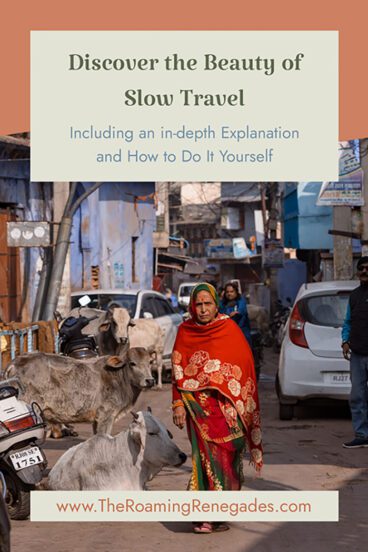
If you’re looking for the cheapest place to spend an extended amount of time, where you’ll be richly rewarded for taking your time to explore, then consider India. It’s frankly not for everyone, and it’s an intense and “real” travel experience. But it’s so vast and varied that a short trip is only ever going to just scratch the surface.
It’s huge! – India is a massive country with megacities, beaches, mountains and everything in between. It’s so culturally rich and diverse in each region that you’ll want to really slow down and immerse yourself in its many different facets.
Different regions offer different experiences – India is a place where you’ll be constantly surprised by what you discover, and no matter what time of year you visit or what kind of adventure you’re looking for, it’s here. Whether geographic, cultural, religious or historical, this vast land is the perfect slow travel destination.
It’s super cheap – Like, crazy affordable! Accommodation, transport, food, activities… It’s even cheaper than most, if not all, destinations in Southeast Asia. If you’re looking for the perfect place to travel on a budget, then it’s India.
Long-distance transport is great – When you do decide to move on to another region, the long-distance trains here, specifically the 1st class sleepers, are such great quality for very little money.
It’s a great place for mindfulness – one of the benefits of slow travel is being able to take the time to explore different things, take downtime and relax. India can be crazy, I’m not going to lie, but it can also be unbelievably serene, and it’s the perfect spot for a yoga or meditation retreat.
The locals are so friendly and approachable – Indian’s love to come up and have a chat, especially in places where tourists aren’t as common, but honestly, even at the Taj Mahal, we would be stopped often for a chat, a handshake and a selfie! English is widely spoken, making communication easy, and Indian’s love to share they’re culture and ask you about yours.
Slow travel isn’t all about going to some far-flung and exotic destination; in fact, there are some wonderful places that lend themselves to this style of travel in all corners of the globe. But for us as Brits, Spain is a popular place to holiday, but many don’t look beyond that to see its true beauty and the adventures it offers so close to home. As I’ve got older as a traveller, I’ve been able to look again at Spain and see beyond the stereotypes that led me to avoid it for years and have fallen in love.
Transport is affordable and comfortable – Spain is a relatively large country by Western European standards, but it has a modern network of fast trains that cover most major regions and cities. These are an affordable and reliable way to slow travel around the country.
Spain has many diverse regions and cultures – Spain often surprises visitors with how diverse the landscape, cultures and people are across its different regions. It’s got islands, mountains, beaches, cities and isolated rural areas. Plus several languages, architectural styles and cuisines. Moving slower really allows you to embrace the deep-rooted traditions, local identities and strong food culture of Spain.
The food is amazing – Oh man, Spanish food es muy bueno! The combination of fresh, flavourful ingredients with the vibrancy and passion of the Spanish has resulted in a cuisine that just keeps us coming back for more. And the best part, with Tapas, you get to try it all at once!
It’s perfect in all seasons – Whilst many of us associate Spain with summer beach holidays, it’s also a destination ideal for other times of the year too. Spring and Autumn bring much milder weather than the hot summer, whilst still being lovely and warm compared to Northern Europe. Winter in the south again is mild, yet in the mountainous regions, it has many ski resorts.
The culture here is perfect for slow travel – Spain is made for slow travel; even the locals take afternoon siestas and love late-night dinners with friends. The culture here is all about taking your time and enjoying those little moments, like sitting in a cafe and watching the world go by, chatting in a bar over a cerveza or soaking in the rays at the beach.
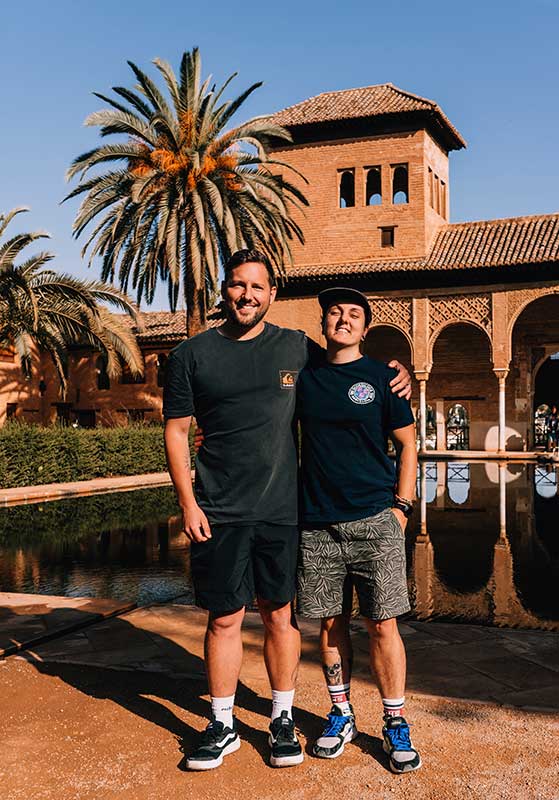
Organised tours are a great way to meet new people in Spain, and we also highly recommend booking certain attractions in advance, such as Sagrada Familia and Alhambra.
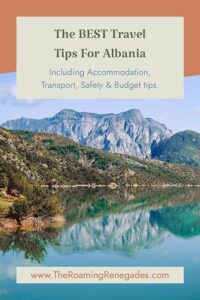
If you’re looking for a more off-the-beaten-track place to base yourself, then Albania is a great option. With a unique history, culture, and cuisine, it’s probably going to be unlike anywhere else you’ve visited. Combined with affordability, relatively few other visitors and a diverse mix of things to do, it’s one of the best destinations for slow travel.
Transport MAKES you slow down – In Albania, transport can be frustrating to say the least, but by travelling slower, you can embrace the chaos and travel like a local.
Try hitchhiking – It’s a common way to travel here, and it’s a great way to meet locals.
It’s budget-friendly – Albania offers much cheaper prices than pretty much anywhere else in Europe, making it an easy place to spend a few weeks meandering around whilst staying in nice accommodation and eating great food. If you’re looking at how to visit Europe on a budget, then look no further.
The hospitality of the locals is warm and inviting – They will often want to have long conversations over a strong coffee or a homemade raki. We were even invited into people’s homes for food in some places.
It’s not overrun – Albania is still pretty off the radar for most travellers, and beyond locals and a few intrepid visitors, you’ll find it way quieter than most other destinations in Europe.
It’s got a bit of everything – Albania’s true gift is diversity, which is why it deserves to be savoured and not rushed. With a Mediterranean Coastline to rival Greece, mountains without the swarms of Switzerland and chaotic cities that offer a look into a unique and fascinating culture, there really is so much to see; it would be criminal not to slow down.
Albania is a one-off – In terms of culture and history, Albania is unlike anywhere else. It’s years of isolation, historic strict communist rule and ties to the Ottoman empire make it feel very different to almost anywhere else in the region. It feels very much like the crossroads between Asia and Europe. With a language that isn’t closely related to any other in Europe, post-Hoxha dictatorship bunkers dot the landscape, and a cuisine that blends Balkan heartiness with Mediterranean freshness, Albania is truly unique.
Now you know what slow travel is, and where to do it… How about HOW to slow travel! It might be simple, or to others, it might feel impossible. Either way, I’m going to break down a few easy steps on how to travel slowly.
Choose the Right Accommodation
Rather than shutting yourself off in a fancy hotel, slow travel allows you to get deeper into regular life than a short trip does, whether that’s by staying with local families or getting your own apartment. But your accommodation makes a huge difference to your experience. Let’s take a look at some options.
With Airbnb, you have two options, both are great, but in my opinion, one is much better than the other when it comes to immersive travel experiences.
Firstly – Rent out an entire place. So, think basically like having your own flat or house. It’s a great way to feel more like you’re actually living there. You’ll have neighbours, go shopping, visit the local gym and get into a routine with nearby coffee shops. But you’ll also have your own space. This is particularly ideal if you’re working on the road.
Secondly – Rent a room in a local’s house. We’ve done this several times, and on more than one occasion, it’s resulted in becoming very good friends with our hosts. In particular, in Australia, our hosts are now considered family. It offers the perfect way to interact with locals in their own environment and learn a whole heap about the way of life wherever you’re staying.
Either way, renting a place or a room is all about living the life of locals. Doing your laundry, having a routine. Plus, the added benefit is that Airbnb often offers huge discounts on monthly stays.
Another great way to stay alongside locals is at a homestay. This is more common around rural areas, and they’re a great way to support local people and get access to communities on their terms, where it might have otherwise been difficult.
Many homestays, as the name suggests, are literally homes with spare rooms for guests. It’s a little bit like renting a room on Airbnb, but depending on the setup, it can be a little more formal, or indeed, more based on the idea that you’re coming here to interact.
Hostels tend to offer a good middle ground between living like a local and having a community of fellow travellers around you. Most offer long-term stay discounts, and staff are much more approachable about advice and tips on the local area. Be sure to stay in a hostel run by locals, many of whom actively work to get their guests involved by doing communal dinners and arranging authentic tours.
HostelWorld is our go-to place to find the best deals on hostels.
By volunteering, you can exchange your time for accommodation and meals. This is a great way to slow down, give back to the local community and immerse yourself in a different way of life. It can also help you gain confidence, grow as a person, and save you money at the same time.
This is a fantastic way to create connections with locals and find out where you’re visiting. You can share the same space, stories and meals with locals from all over the world by couchsurfing.
Whilst these aren’t great longer-term accommodation solutions, they do work well for slow travel, as they can often be a little harder to organise, but are incredibly rewarding when you do.
This is a fantastic way to create connections with locals and find out where you’re visiting. You can share the same space, stories and meals with locals from all over the world by couchsurfing.
Whilst these aren’t great longer-term accommodation solutions, they do work well for slow travel, as they can often be a little harder to organise, but are incredibly rewarding when you do.
Learn the Language
Staying put in one place for an extended period allows you to spend some time learning the local language. Whether you decide to sign up for some proper lessons or go DIY, even knowing a few phrases opens up a whole new level of interaction.
I often find, even without much effort, that when I stay a while in one country or region, I start picking bits up here and there. This is even more true if I’m staying with a local, eating in smaller establishments and shopping in markets where people speak very little English.
Accommodation might be the main tool for slow travel, but the ways in which you move through a country can make a huge difference to your experience too. You should factor into your slow travel itinerary the way you actually move around your chosen destination.
Renting a vehicle
We’ve done a few big road trips all over the world, most memorably across the South Island of New Zealand and on a motorbike through Vietnam. Using your own transport, especially if you take your time, often results in a much deeper experience as you stop in places that don’t usually get many visitors.
We’ve found that the less shielded you are (so on motorbikes instead of in a car) the more magnified this is. Rather than travelling asleep on a bus, train or plane through the night, you’re riding alongside locals through villages and towns where people wave and shout hello. You’ll be forced to stop for food or accommodation in remote locations that might never have seen a foreigner. It’s an intense and special experience for sure, and one that lends itself to the freedom to explore that slow travel brings.
Public transport in many parts of the world kinda makes slow travel an inevitability rather than a choice! But when you embrace it, rather than being a source of frustration, you realise it’s an opportunity to stay somewhere a little longer or make a few unexpected stops along the way!
The other thing is, the cheaper the transport, the more of an experience it is, because ultimately, it will be what the locals are using. An example is the train from Ella to Kandy in Sri Lanka. Forget the air-conditioned first-class cabin full of stuck-up Westerners. Instead, jump into 3rd class where you’ll be sat next to locals, eating parippu vada out of old newspapers and hanging out of the doors!
Janky ass buses blaring music, local trains chugging along the tracks as people jump on and off, and slow boats echoing with the sound of cockerals and the call to prayer… this is what travel is about, and this is what slow travel enables.
Embracing van life
Campervan hire is another incredible way to slow travel through a country, or two. It means you can take your time and wander around, pulling in whenever and wherever the feeling takes you. Whether that be to explore a remote village, take a dip in the sea or pull over for the night. Campervanning is the ideal way to explore slow tourism.
Again, it offers the same freedom of renting your own vehicle with the added benefit of being able to stay in much more rural locations. Van life is all about taking the scenic route, spending time in nature and not being in a rush to get anywhere in particular.
Becoming a local at a cafe or market, staying with someone from that city, or even attending events and festivals. If you stick around long enough, you’ll become a familiar face and interacting with people will get easier and feel more natural.
This means you’ll have a much deeper connection to the place and who knows, maybe even become friends for life. It’s these relationships that will unlock a whole other level of experience.
First things first, if you want to experience life like a local, then you need to live like one. Forget swanky 5-star resorts or eating at chain restaurants; instead, you want to embrace the way of life in your chosen destination.
Here are a few tips to help you live like a local –
One of the best ways to really get to know a place is by skipping hotels and staying in their home or a guest house. We’ve had some incredible experiences this way.
Family-run shops, bakeries, cafes, and local markets.
Head to the cafes and restaurants the locals rave about and ask about local specialities. Even better, ask your host. At some homeshares, you’ll even be able to cook alongside your host or have a local meal made for you.
These are inauthentic and aimed at visitors, not local people, and they are also usually way overpriced for an inferior product. If the restaurant only has a menu in its language, then you know you’re in the right place.
In many areas of the world, it’s the go-to way to eat.
Sometimes it can be a little confusing at first, trying to figure out which bus number to take, or getting to know the metro system, but it’s so much cheaper and more rewarding once you figure it out. Commuting the local way gives you time to observe and really get to know the place.
Find a Routine
One of the cool things about slow travel is that you can find a routine and schedule that means it’s easier to slide right into daily life. This is especially so if you’re working on the road, and having a routine can be another great way to embrace local life and get to know people.
Choosing guesthouses, homestays, Airbnbs, volunteer opportunities, or housesitting means you can actually LIVE there rather than just stay there.
Things like cooking your own meals, going to the gym, washing your own clothes, having a local coffee shop and getting to know the neighbours all enrich your experience and make it so much more than just a holiday.
Slow travel isn’t for everyone. Let’s take a look at a few pros and cons so you can work out if it’s the right travel style for you.
Ok. First up, let’s have a look at slow travel. Whilst we feel like it’s become our preferred method of travel, it does have some pluses and negatives depending on you and your personality.
Deeper connections to local culture – Spending more time allows you to actually get to know a place.
More time to learn the language – You have time to study or just pick up the language from interacting with locals.
It’s more budget-friendly – In the long term, with rental deals, cooking your own meals, monthly gym memberships and spending less money on transport, it works out cheaper.
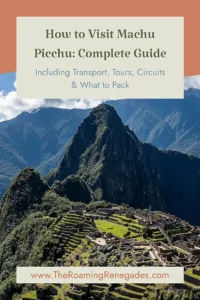
A lot less stressful – It gives you time to relax as you’re not constantly on the move, and means you can take your time when it comes to sightseeing rather than feeling rushed. This was particularly so when we were in Peru, as it meant hiking Machu Picchu was much less stressful and easier after being at altitude for a longer time.
You get to create more memories and have a new place to call home. You tend to leave having a much deeper emotional connection.
You’ll no doubt be there to experience local traditions. For example, we celebrated Tet in Vietnam, participated in Thingyan in Myanmar and watched the AFL grand final in Australia alll with locals.
It’s easier for those working – For digital nomads and those working on the road, it’s much easier to slow down and spend a few weeks or months in one place, as it can be super stressful trying to balance work and travel otherwise.
FOMO – The fear of missing out on things, by travelling at a much slower pace, means that you’ll visit and see fewer places in a wider sense and instead have a more concentrated experience in a smaller number of places.
It’s not for everyone – Some travellers won’t be able to adapt to slow-paced travel. The reason they have come travelling is to see and do as much as possible.
Not enough time – Some travellers who want to travel slowly but struggle as they don’t have enough annual leave to make it feel worthwhile to them.
Money – Fast travel is more expensive in the short term, but means you can move through expensive areas quicker, see what you want to see and then move on.
Alright then. Now, let’s look at fast travel. And by fast, we mean moving every few days, for example. Now, we’re also not here to judge, because we’ve been there and done that ourselves, and there are things about it that do work well.
Visit more destinations – Great if you want to tick off those bucket list places in a shorter amount of time.
Constant excitement – As you are moving at a quicker pace, things are always new and exciting.
Great for short vacations – Those who have limited time off work can fit more into their itinerary and see more things. Kinda like a taster menu!
See more places in each destination – It’s a great way to see a good chunk of a country by spending just a few days in each city/ town/ coastal region. This way, you can then decide if it’s worth going back in the future to spend more time there.
You’ll only scrape the surface – By only spending a few days in a place, you won’t get time to really get to know the culture. You’ll no doubt only visit the main tourist hotspots.
Destinations lose their individuality – Sometimes you can travel so fast that places all start to merge together, as you’ve not had a chance to process one experience or culture before moving on to the next.
Can be very tiring – Travelling a lot quicker can be physically and mentally draining, always planning the next place and constantly being on planes, trains or buses. It’s a recipe for wearing yourself out, especially as you get older!
Not budget-friendly – Travelling fast can drain through cash like no one’s business. You won’t get the great deals on accommodation, you’ll probably eat out a lot more, and you’ll end up on a plane or bus every few days.
Not ideal for sustainable travel – More planes, trains, and buses impact the environment much more.
As you can see, when it comes to slow travel vs fast travel, it’s not so much that one is better than the other for every person or every trip. But we feel slow travel offers something you just can’t get from moving too fast.
Travel Slow, Connect and Experience More!
We’ve reached the end of this slow travel blog post, my travel comrades. Hopefully, I’ve convinced you to join in with the slow travel movement because I personally have had some of the best experiences of my life from this method of travel. I’ve made connections to last a lifetime, and see places I wouldn’t have known existed and left my heart in countless cities, towns and villages the world over.
Whilst I know this style isn’t for everyone, or indeed available to everyone, as I’ve got older, it’s become a way of travelling I enjoy more and more. We’ve been there and done the backpacking trip where you’re moving on every few days, so I’m throwing no shade.
But for those who want a deeper, more meaningful and connected travel experience, I urge you to get out there and give slow travel a go.
A few people have asked us recently how they could help us out on our travels, so we thought we’d add our very own tip jar for those who can’t support us by clicking through our affiliate links.
We work hella hard on this site to bring you all the most epic and up-to-date travel info from around the planet. So if you’ve enjoyed what you’ve seen, then we’d appreciate anything, no matter how small, you can contribute as a thank you.
Above all, thank you for being here and reading our content, it means the world to us.
Slow travel is about not being in a rush, living like a local and not trying to do everything in a place in a short space of time. It’s about moving with the flow of life in a place and making deeper connections through more authentic experiences by spending longer in a place.
Simply put, slow down! Stay longer in one place and allow yourself time to really get to know it. Stay with a local, shop in markets, build relationships, take public transport and eat street food.
Thailand – Cheap, culturally rich, varied landscapes, and amazing food.
Colombia – Diverse regions, growing digital nomad scene, great place to learn Spanish.
New Zealand – Perfect place for van life, very friendly locals, and amazing natural beauty.
Albania – Off the beaten track, affordable, beaches, mountains, and bustling cities.
Spain – The culture suits slow travel, great infrastructure, and great weather across the seasons.
India – A Massive country to explore, incredibly cheap, locals love to chat and great food.
So, what is meant by slow travel? Whilst for many it is all about spending extended periods in one place, that doesn’t always have to mean months. It can be anything from extending your stay in a city from a weekend to a week or so, to getting a working holiday visa and spending a year there.
For transparency’s sake:Many of the links we have on our site are affiliate links. This means that when you click one of these links and make a booking or purchase, for example: accommodation, gear, insurance or transport, we earn a small commission (at no extra cost to you).Also, know that as an Amazon Associate, we earn from qualifying purchases. Most importantly, know that we still only recommend services, gear and products we believe in and our earned commission helps us keep travelling and bringing you high-quality posts and content.
Yo, I’m Nic (they/them), one-half of Stories, Visions, Hope, Self.
I’m an adventure (and halloumi) obsessed traveller with a passion for hiking mountains, exploring cities, watching Arsenal win, moshing out to Rammstein in random European fields and getting hopelessly lost on a motorbike somewhere in Asia! I am also a proud member of the LGBT+ community.
I’ve explored 80 countries, lived in Australia and New Zealand, and spent months wandering Southeast Asia, South America and Eastern Europe, all while trying to avoid growing up!
Did it work? I dunno, but my back hurts, and I still collect Pokémon cards! Who wants in?!
We value your privacy. We use cookies to improve your experience on our site. By using our site, you consent to cookies.
This website uses cookies
Websites store cookies to enhance functionality and personalise your experience. You can manage your preferences, but blocking some cookies may impact site performance and services.
Essential cookies enable basic functions and are necessary for the proper function of the website.
Name
Description
Duration
Cookie Preferences
This cookie is used to store the user's cookie consent preferences.
30 days
These cookies are needed for adding comments on this website.
Name
Description
Duration
comment_author
Used to track the user across multiple sessions.
Session
comment_author_email
Used to track the user across multiple sessions.
Session
comment_author_url
Used to track the user across multiple sessions.
Session
Statistics cookies collect information anonymously. This information helps us understand how visitors use our website.
Google Analytics is a powerful tool that tracks and analyzes website traffic for informed marketing decisions.
Used by Google Analytics to determine which links on a page are being clicked
30 seconds
_ga_
ID used to identify users
2 years
_gid
ID used to identify users for 24 hours after last activity
24 hours
_gat
Used to monitor number of Google Analytics server requests when using Google Tag Manager
1 minute
_gac_
Contains information related to marketing campaigns of the user. These are shared with Google AdWords / Google Ads when the Google Ads and Google Analytics accounts are linked together.
90 days
__utma
ID used to identify users and sessions
2 years after last activity
__utmt
Used to monitor number of Google Analytics server requests
10 minutes
__utmb
Used to distinguish new sessions and visits. This cookie is set when the GA.js javascript library is loaded and there is no existing __utmb cookie. The cookie is updated every time data is sent to the Google Analytics server.
30 minutes after last activity
__utmc
Used only with old Urchin versions of Google Analytics and not with GA.js. Was used to distinguish between new sessions and visits at the end of a session.
End of session (browser)
__utmz
Contains information about the traffic source or campaign that directed user to the website. The cookie is set when the GA.js javascript is loaded and updated when data is sent to the Google Anaytics server
6 months after last activity
__utmv
Contains custom information set by the web developer via the _setCustomVar method in Google Analytics. This cookie is updated every time new data is sent to the Google Analytics server.
2 years after last activity
__utmx
Used to determine whether a user is included in an A / B or Multivariate test.